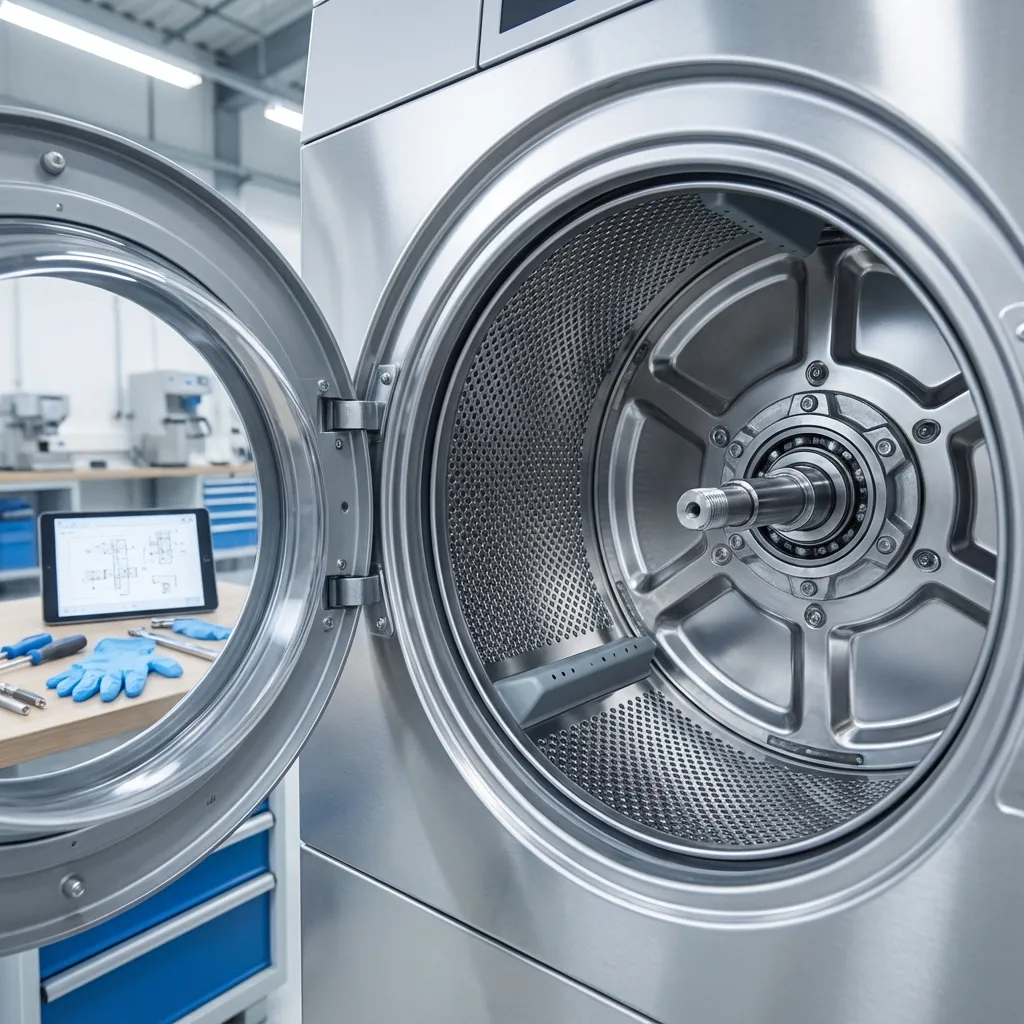
If your washing machine smells like mildew, leaves dark streaks on your clothes, or takes longer to complete a cycle than it used to, it probably needs a deep clean. Washing machines are self-cleaning in theory, but in practice they collect detergent residue, fabric softener buildup, lint, hair, and mineral deposits that create odours and reduce performance.
This guide covers how to clean both top-load and front-load washing machines from top to bottom, with specific steps for the components most prone to buildup and odour.
Quick Answer: To clean a smelly washing machine, run a hot cycle with 2 cups of white vinegar (no detergent), then run a second hot cycle with 1/2 cup of baking soda. Clean the rubber gasket on front-load washers, remove and wash the detergent dispenser, and clear the drain pump filter. Repeat monthly to prevent odours.
Why Your Washing Machine Needs Regular Cleaning
Every time you run a load of laundry, your washing machine is exposed to soil, body oils, detergent residue, fabric softener, and minerals from Toronto's hard water. Over time, these substances accumulate in the drum, hoses, gaskets, and hidden compartments of the machine.
On front-load washers, the rubber door gasket is particularly prone to mould and mildew buildup because it traps moisture in its folds. On top-load washers with agitators, the area beneath the agitator collects lint, hair, and debris that never fully rinse away.
A dirty washing machine does not just smell — it transfers that smell to your clothes, leaves residue on fabrics, and can cause drainage problems, longer cycle times, and premature component failure.
How to Clean a Front-Load Washing Machine
Front-load washers require more frequent and more thorough cleaning than top-load machines because their low-water wash cycles and rubber door gaskets create an environment where mould and mildew thrive.
Step 1: Clean the Rubber Door Gasket
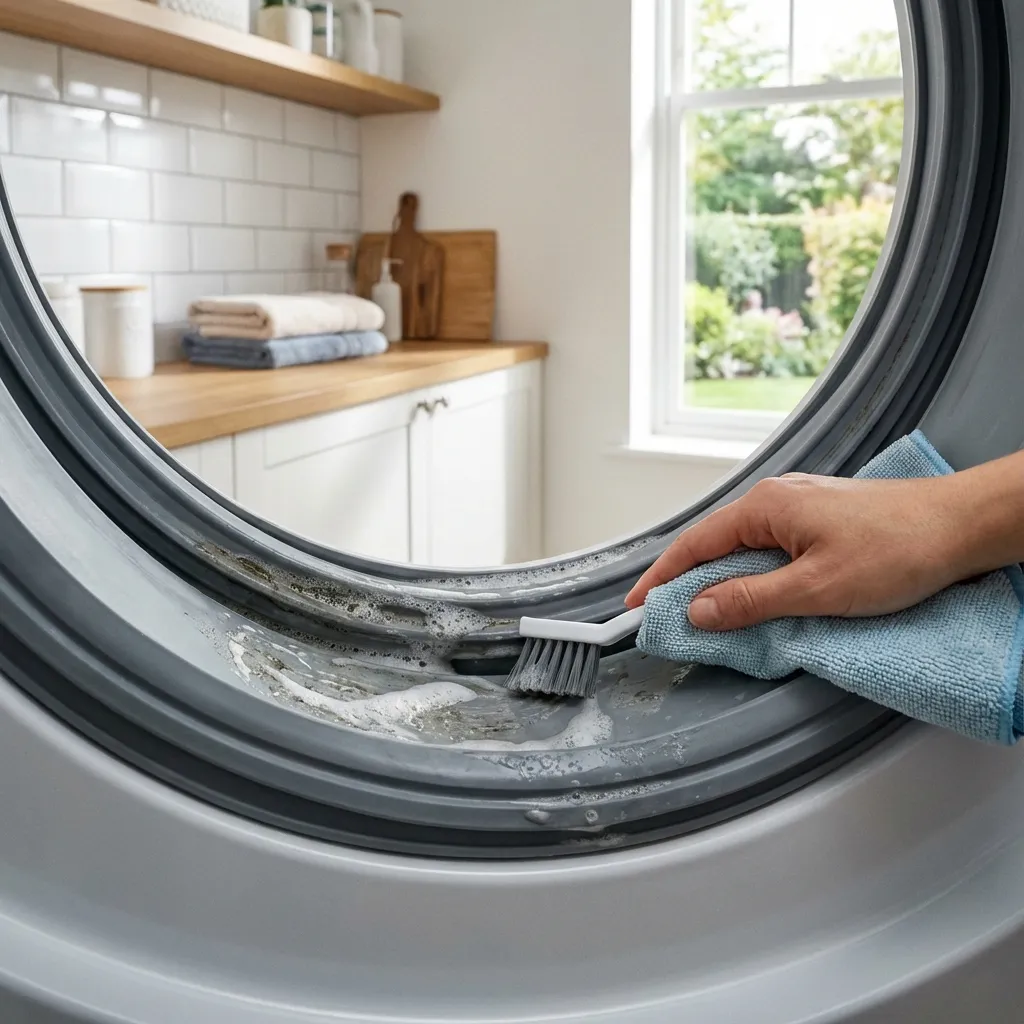
Open the door and inspect the rubber gasket around the opening. Peel back the folds and look for mould, mildew, hair, and debris. Wipe away visible debris with a damp cloth. For mould and mildew, spray the gasket with a solution of equal parts white vinegar and water, let it sit for 5 minutes, then scrub with a nylon brush or an old toothbrush. For stubborn mould, apply a paste of baking soda and water, let it sit for 10 minutes, then scrub and wipe clean.
Dry the gasket thoroughly with a clean towel. This step alone eliminates most front-load washer odours.
Step 2: Clean the Detergent Dispenser
Pull out the detergent dispenser drawer — most models release when you press a centre tab or lift a release lever. Soak the drawer in warm water with dish soap. Use an old toothbrush to scrub the compartments, especially the fabric softener section, which tends to build up a waxy residue. Rinse thoroughly and dry.
While the drawer is out, use a long-handled brush or a cloth wrapped around a chopstick to clean inside the dispenser housing in the machine. Reinstall the drawer.
Step 3: Run a Vinegar Wash Cycle
Set the washer to the hottest water setting and the longest cycle available. Pour 2 cups of white vinegar directly into the drum — not into the detergent dispenser. Run the complete cycle with no clothes and no detergent. The vinegar dissolves mineral deposits, detergent residue, and mildew inside the drum and hoses.
Step 4: Run a Baking Soda Wash Cycle
Set the washer to the hottest setting again. Sprinkle 1/2 cup of baking soda directly into the drum. Run a complete cycle. Baking soda deodorizes and removes any remaining residue that the vinegar loosened.
Step 5: Clean the Drain Pump Filter
Locate the drain pump filter — it is behind a small access panel at the front base of the machine, usually at the bottom right. Place towels and a shallow container underneath. Open the filter by turning it counterclockwise. Remove any lint, hair, coins, and debris. Rinse the filter under running water and reinstall it. This step prevents drainage problems and odour-causing stagnant water.
Step 6: Wipe Down the Exterior
Wipe the door glass, the control panel, and the top of the machine with a damp cloth and a mild cleaner. Dry with a clean towel.
How to Clean a Top-Load Washing Machine
Top-load washers use more water than front-load models, which helps flush residue, but they still require regular cleaning — especially around the agitator and beneath the wash plate.
Step 1: Clean the Agitator or Wash Plate
If your washer has a traditional agitator (the tall spindle in the centre), remove the fabric softener dispenser cup from the top by pulling it straight up. Soak it in warm soapy water and scrub it with a brush.
Whether your washer has an agitator or a low-profile wash plate, lift or unscrew the cap at the top of the centre column. Inside, you will find a bolt or nut that holds the agitator in place. Remove the bolt and lift the agitator off the drive shaft. Clean the inside of the agitator and the area beneath it — this is where lint, hair, and small items accumulate. Scrub the agitator with hot soapy water and a brush, then replace it.
Step 2: Clean the Drum and Washtub
Set the washer to the hottest water setting and the largest load size. Let the machine fill with hot water, then pause the cycle. Add 4 cups of white vinegar (or a washing machine cleaner) to the water. Let the machine agitate for 1 minute, then pause again and let the vinegar solution soak for 1 hour. After the soak, resume and complete the cycle.
Step 3: Run a Baking Soda Cycle
Set the washer to the hottest setting again. Add 1/2 cup of baking soda to the drum and run a complete cycle with no clothes. This removes any remaining residue and deodorizes the machine.
Step 4: Clean the Detergent Dispenser and Fabric Softener Cup
Remove the dispenser cups and soak them in warm soapy water. Scrub them with a brush to remove fabric softener buildup, which appears as a waxy, sticky residue. Rinse and dry thoroughly before reinstalling.
Step 5: Wipe Down the Exterior
Wipe the lid, control panel, and top rim of the washtub with a damp cloth and mild cleaner. Pay particular attention to the area under the lid where grime collects. Dry with a clean towel.
How Often Should You Clean Your Washing Machine
For Toronto homes with moderate to hard water, follow this maintenance schedule:
- After every load: Leave the door or lid open to allow the drum to dry. Remove clothes promptly.
- Weekly: Wipe down the door gasket (front-load) or wash plate rim (top-load) with a dry cloth.
- Monthly: Run a hot vinegar cycle and clean the drain pump filter (front-load) or agitator area (top-load).
- Every 3 to 6 months: Deep clean with a baking soda cycle and scrub all dispensers and gaskets thoroughly.
- Every 6 months: Replace the water filter if your model has one.
Frequently Asked Questions
Can I use bleach instead of vinegar to clean my washing machine?
You can, but vinegar is preferred. Bleach kills mould and bacteria effectively, but it does not dissolve mineral deposits or detergent residue as well as vinegar. If you do use bleach, use 1/2 cup in a hot cycle and run a second rinse cycle to remove all bleach residue. Never mix bleach and vinegar — the combination produces toxic chlorine gas.
Why does my front-load washer smell so bad?
The most common cause is mould and mildew buildup in the rubber door gasket. The gasket's folds trap water and debris, creating an ideal environment for mould. Clean the gasket thoroughly with a vinegar solution and dry it after each load. Leaving the door open between loads is the single most effective way to prevent odours.
Is a washing machine cleaner better than vinegar?
Commercial washing machine cleaners like Afresh or OxiClean Washing Machine Cleaner are effective and convenient, but white vinegar works just as well for most cleaning needs at a fraction of the cost. The key active ingredient in most commercial cleaners is sodium percarbonate, which is similar to what you get when you combine baking soda and hot water.
How do I prevent mould in my washing machine?
Leave the door or lid open between loads so the drum can dry completely. Wipe the rubber gasket (front-load) dry after each use. Use only the recommended amount of detergent — excess detergent leaves residue that feeds mould. Avoid using fabric softener in every load, as it leaves a waxy film that traps moisture. Run a hot vinegar cycle monthly.
Can a dirty washing machine damage my clothes?
Yes. Residue buildup in the drum and dispenser can transfer back onto your clothes, causing grey streaks, a musty smell, and skin irritation. Mineral deposits from hard water can make fabrics feel stiff and look dingy over time. Regular cleaning prevents these issues and extends the life of both your machine and your laundry.
Keep Your Washer Clean and Fresh
Regular washing machine cleaning takes 30 minutes once a month and prevents odours, mould, and drainage problems. If your washer has developed a persistent smell that does not respond to cleaning, or if you notice drainage problems, loud noises, or cycle failures, the issue may go beyond routine maintenance.
Appliance Service Plus serves Toronto, North York, Richmond Hill, and the GTA with professional washer maintenance and repair. If your washing machine needs more than a cleaning, schedule a service call to get it running like new again.
Need Professional Help?
If the problem persists or seems too complex to handle on your own, our expert technicians are ready to help. Fast, reliable service when you need it.