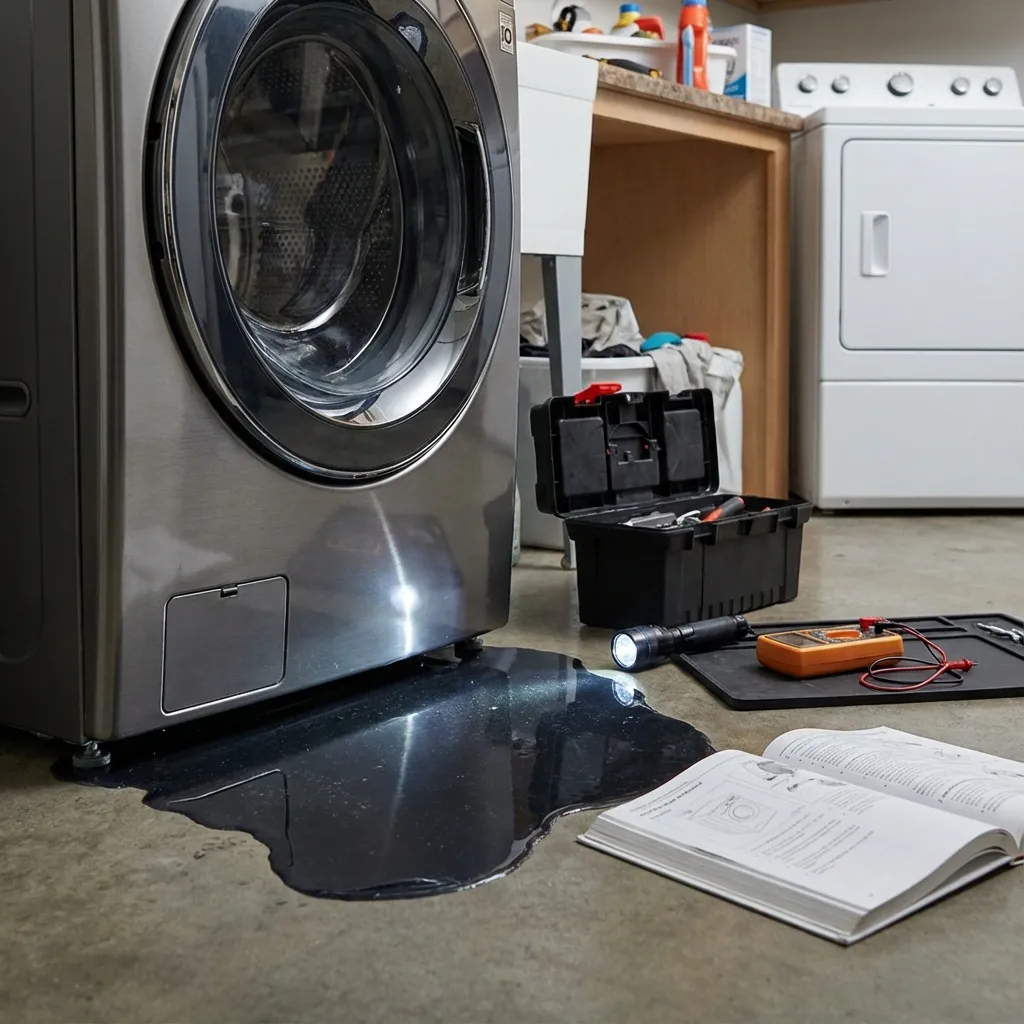
You load your washing machine, set the cycle, and walk away — only to come back and find your clothes sitting in a tub of soaking wet water because the washer never spun. A washing machine that will not spin or drain is one of the most common appliance problems homeowners in Toronto face, and it can bring laundry day to a complete halt.
This guide covers every likely cause of a washer that will not spin, provides step-by-step instructions for the fixes you can safely handle yourself, and tells you when it is time to call a professional technician.
Quick Answer: If your washer will not spin, the most common causes are an unbalanced load, a broken lid switch, a worn drive belt, a clogged drain pump, or a failed motor coupling. Start by redistributing the load and checking that the lid closes fully. If those steps do not resolve the problem, inspect the belt and drain pump filter before testing the lid switch with a multimeter.
Why Your Washer Is Not Spinning: The Most Common Causes
A washing machine relies on a sequence of mechanical and electrical events to spin the drum and drain the water. When any one of those events is interrupted — by a failed switch, a worn belt, or a clogged drain — the cycle stalls and your clothes stay wet.
Here are the eight most common reasons your washer will not spin or drain.
1. Unbalanced Load
This is the most common reason a washer will not spin, and it is the easiest to fix. Modern washers have sensors that detect whether the load is balanced inside the drum. If all the heavy items — towels, jeans, blankets — cluster on one side of the drum, the washer will refuse to spin as a safety measure to prevent violent vibration and potential damage.
If your washer fills and agitates but will not spin, try redistributing the load so heavy items are evenly spaced around the drum. Remove a few items if the machine is overloaded. Then restart the spin cycle.
2. Broken Lid Switch
The lid switch is a safety device that prevents the washer from spinning when the lid is open. On most top-load washers, the switch is located under the lid rim and activated by a small plastic or metal plunger. If this switch breaks — which happens frequently over years of use — the washer will fill and agitate but will not spin or drain.
To test the lid switch, close the lid and listen for a faint click. If you do not hear a click, the switch may be broken. You can also bypass the switch temporarily by pressing a pen or screwdriver into the slot where the plunger fits — if the washer spins when you do this, you have confirmed the switch is faulty and needs replacement.
3. Worn or Broken Drive Belt
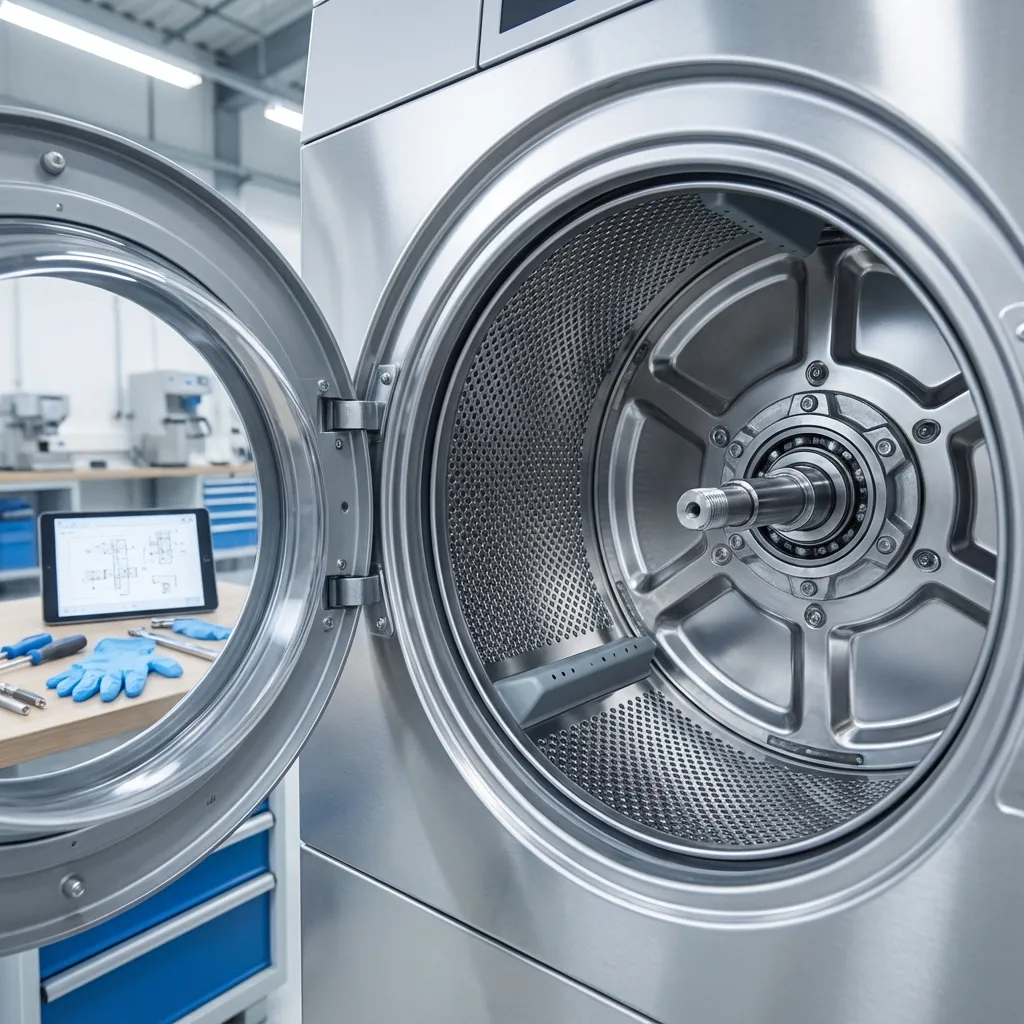
Many top-load and some front-load washers use a rubber drive belt to connect the motor to the drum. Over time, this belt can stretch, crack, or snap entirely. When the belt fails, the motor runs but the drum does not turn.
To inspect the belt, unplug the washer and tilt it back or remove the front panel. The belt wraps around the motor pulley and the transmission pulley. If it is loose, cracked, or broken, it needs to be replaced. Belts are inexpensive — typically $15 to $40 — but installation requires some disassembly.
4. Clogged Drain Pump or Filter
If your washer will not drain water, it will not spin. Most machines prevent the spin cycle from starting until the water level drops below a set threshold. A clogged drain pump or filter traps water in the tub and blocks the spin cycle from ever beginning.
Many washers have an accessible drain pump filter behind a small access panel at the front base of the machine. Place towels underneath, open the filter, and remove any debris — coins, lint, hair ties, and small articles of clothing are the most common culprits. If the pump itself is jammed, you may hear a humming or grinding noise during the drain cycle.
5. Failed Motor Coupling
On direct-drive top-load washers — common in Whirlpool, Maytag, and KitchenAid models — the motor coupling connects the motor to the transmission. This three-piece component (two plastic forks and a rubber isolator) is designed to break if the washer is overloaded, protecting the more expensive motor and transmission from damage.
A broken motor coupling means the motor runs and sounds normal, but the drum does not turn at all — no agitation, no spin. The coupling is located between the motor and the transmission and can be replaced by removing the pump and motor. The part typically costs under $20, though labour adds to the total if you hire a technician.
6. Faulty Door Lock (Front-Load Washers)
Front-load washers use an electronic door lock to keep the door sealed during the spin cycle. If the lock mechanism fails, the washer control board will not allow the spin cycle to start — it registers the door as open. A failed door lock may also prevent the door from opening after a cycle.
If your front-load washer fills, washes, and drains but will not spin, the door lock assembly is a leading suspect. Testing requires a multimeter to check for continuity. If the lock shows no continuity, it needs replacement.
7. Damaged Shock Absorbers or Suspension Springs
Shock absorbers and suspension springs keep the drum stable during the spin cycle. When these components wear out or break, the drum can bounce excessively, triggering the washer's out-of-balance sensor and preventing the spin cycle from completing — or starting at all.
If your washer shakes violently during the spin cycle or bangs against the cabinet, worn suspension components are likely the cause. Inspect the springs for stretching or detachment and the shock absorbers for leaking fluid or weak resistance.
8. Control Board or Timer Failure
The least common but most expensive cause of a washer that will not spin is a failed control board or mechanical timer. The control board manages all cycle operations, including sending power to the motor for the spin cycle. If the board is faulty, it may fail to trigger the spin cycle even though all other components are working correctly.
Control board failures are rare compared to mechanical issues, but they do happen — especially after power surges or in washers exposed to moisture damage. A professional technician can test the board's outputs with a multimeter to confirm whether it is sending voltage to the motor during the spin cycle.
Step-by-Step: How to Fix a Washer That Will Not Spin
Before attempting any of the following steps, unplug the washer and turn off the water supply. If you are not comfortable working with tools or appliance components, contact a qualified technician.
Step 1: Redistribute the Load
Open the lid and redistribute heavy items evenly around the drum. Remove one or two items if the washer is overloaded. Close the lid and restart the spin cycle. If the washer spins normally, the problem was an unbalanced load.
Step 2: Check the Lid Switch
Close the lid and listen for a click. If there is no click, the lid switch may be broken. You can test this by pressing a pen into the switch slot with the lid open and starting the spin cycle. If the washer spins with the switch manually depressed, replace the lid switch. Lid switches are inexpensive and can be replaced with basic tools.
Step 3: Clean the Drain Pump Filter
Locate the drain pump access panel, usually at the front base of the washer behind a small door or flap. Place towels underneath and place a shallow container to catch water. Open the filter by turning it counterclockwise and remove any debris. Clean the filter under running water and reinstall it.
Step 4: Inspect the Drive Belt
Tilt the washer back against a wall or remove the front panel to access the drive belt. Check that the belt is properly seated on both pulleys and is not cracked, frayed, or excessively stretched. If the belt appears damaged or slips off the pulleys easily, replace it. Belts are affordable and available for most washer models.
Step 5: Test the Motor Coupling (Direct-Drive Washers)
If you have a direct-drive top-load washer and the motor runs but the drum does not turn at all, the motor coupling is likely broken. Access it by removing the pump and motor from the back of the machine. If the rubber piece between the two plastic forks is broken or the forks are cracked, replace the coupling.
Step 6: Check the Door Lock (Front-Load Washers)
If you have a front-load washer that will not spin, test the door lock assembly with a multimeter. With the washer unplugged, remove the lock assembly from the door frame. Check for continuity across the switch terminals. If there is no continuity when the lock should be engaged, replace the assembly.
Step 7: Run a Test Cycle
After making repairs, run the washer through a full cycle with a small, balanced load. Check for proper spinning and draining. Listen for any unusual sounds — grinding, banging, or clicking — that could indicate further issues.
When to Call a Professional
If you have worked through the troubleshooting steps above and your washer still will not spin, or if you discover a failed component that you are not comfortable replacing, it is time to call a professional technician. Issues like a faulty control board, a seized motor, or internal transmission failures require specialized tools and expertise.
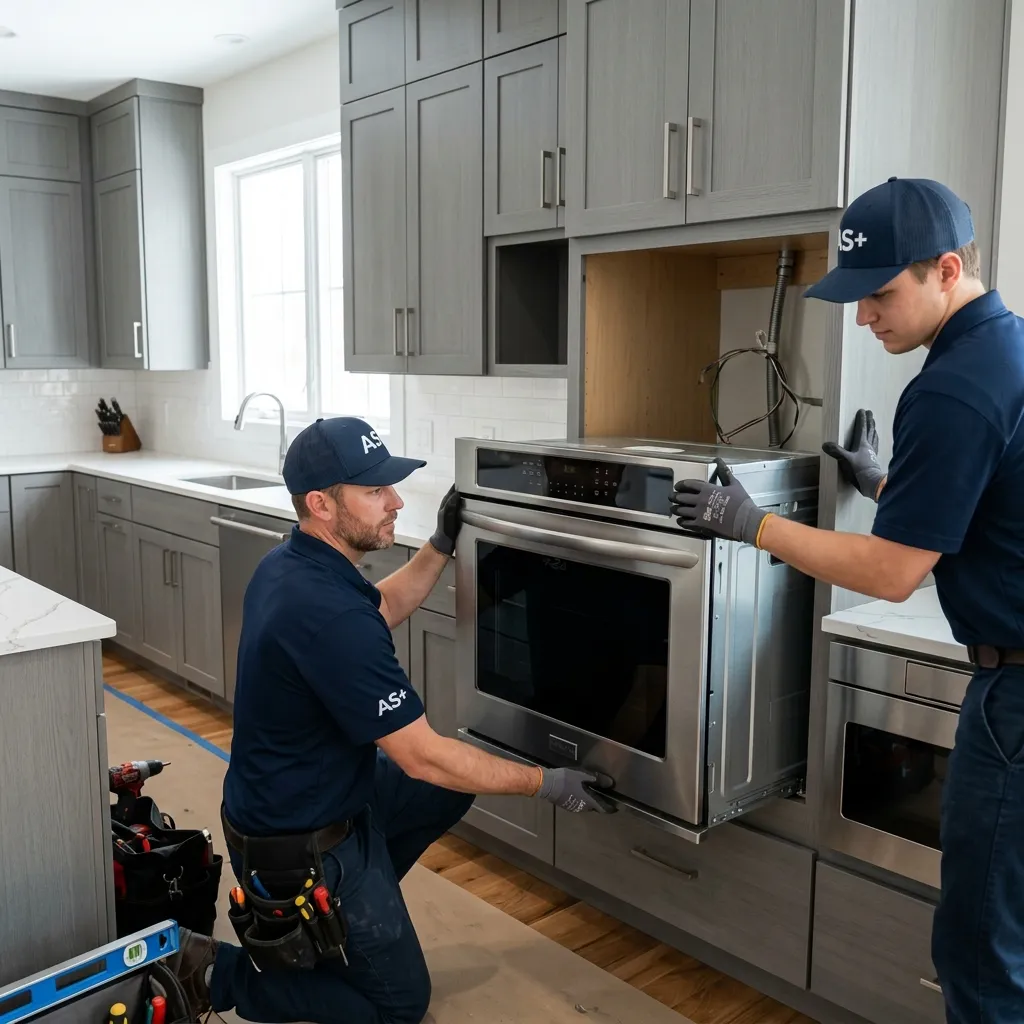
Appliance Service Plus has been serving Toronto homeowners with reliable washer repair for years. Their technicians carry commonly needed parts for Samsung, LG, Whirlpool, Maytag, and other major brands, which means many repairs are completed in a single visit. If you are located in Toronto, Mississauga, Brampton, or anywhere in the GTA, you can schedule a service call without the long wait times that plague larger national service companies.
How to Prevent Future Washer Spin Problems
Do Not Overload the Machine
Overloading is the number one cause of spin cycle failures. It puts excessive strain on the belt, motor coupling, and suspension components. Follow your washer's load capacity guidelines — most standard top-loaders handle 12 to 16 pounds of laundry per load.
Check Pockets Before Washing
Coins, keys, and other small items left in pockets are the leading cause of drain pump clogs and filter blockages. Make a habit of checking every pocket before loading the washer.
Use the Right Spin Speed
Delicate items should be washed on lower spin speeds. High spin speeds on delicate loads can damage both the clothes and the washer's suspension system. Follow the garment care labels and match the spin speed to the load type.
Leave the Lid or Door Open Between Loads
Allowing the drum to air out between loads prevents mould and mildew buildup — particularly on front-load washers with rubber door gaskets. Mouldy gaskets can cause odour problems and, in extreme cases, interfere with the door lock mechanism.
Inspect Hoses Annually
Check the fill and drain hoses for cracks, bulges, or leaks at least once a year. Replace any hose that shows signs of wear. A burst hose is one of the most common causes of water damage in Toronto homes.
Frequently Asked Questions
Why does my washer fill with water but not spin?
The most common cause is a broken lid switch on top-load washers or a failed door lock on front-load washers. Both are safety devices that prevent the spin cycle from running when the machine registers the lid or door as open. Other causes include an unbalanced load, a broken drive belt, or a clogged drain pump that prevents the washer from draining water before the spin cycle begins.
Can a clogged drain filter stop my washer from spinning?
Yes. Most modern washers have a drain pump filter that catches lint, coins, and small items before they reach the pump. When this filter becomes severely clogged, water cannot drain from the tub, and the washer will not start the spin cycle because it detects that water is still present. Cleaning the filter often resolves both drainage and spin issues.
How much does it cost to replace a washer lid switch in Toronto?
The lid switch itself typically costs $20 to $50 depending on the brand. With professional installation, total repair cost is usually $100 to $175 in the Toronto area. It is one of the least expensive washer repairs and can usually be completed in under an hour.
Is it worth repairing a washer that will not spin?
In most cases, yes — if the washer is less than eight to ten years old and the problem is a mechanical component like a lid switch, belt, or coupling, repair is significantly cheaper than replacement. These parts cost between $15 and $50, and even with labour, the total is typically well under $300. If the washer is older or the control board has failed, a professional technician can help you weigh the repair-versus-replace decision.
Why does my front-load washer not spin but still drains?
If your front-load washer drains water but will not enter the spin cycle, the most likely cause is a faulty door lock assembly. The washer will not allow the drum to reach high spin speeds unless it confirms the door is securely locked. Other possibilities include a worn drive belt (front-load washers use belts too), damaged shock absorbers causing an unbalanced condition, or a motor control board failure.
Resolving Your Washer Spin Problems
A washing machine that will not spin is disruptive, but the underlying cause is usually straightforward. Start with the simplest fixes — redistributing the load and cleaning the drain filter — and work your way through the troubleshooting steps in this guide. Many spin cycle failures are caused by components that cost under $50 and can be replaced with basic tools.
If you have worked through these steps and your washer still will not spin, or if you are not comfortable performing the repairs yourself, Appliance Service Plus is here to help. Serving Toronto, Mississauga, Brampton, and the entire GTA, their technicians diagnose and repair washer spin problems on all major brands — often in a single visit. Schedule a service call to get your laundry routine back on track.
Need Professional Help?
If the problem persists or seems too complex to handle on your own, our expert technicians are ready to help. Fast, reliable service when you need it.