Your microwave hums, the turntable rotates, the light comes on, but your food stays cold. A microwave that runs but does not heat is a common problem, and it almost always points to one of a few specific component failures. The good news is that most microwave heating failures have clear diagnostic paths.
This guide covers every common reason your microwave is not heating, explains which problems you can safely diagnose yourself, and tells you when to call a professional.
Quick Answer: If your microwave runs but does not heat, the most common causes are a blown magnetron, a failed high-voltage diode, a defective door switch, or a blown thermal fuse. Microwaves contain high-voltage components that can retain a lethal charge even after unplugging — internal repairs should only be performed by a qualified technician.
Why Your Microwave Is Not Heating: The Most Common Causes
1. Failed Magnetron
The magnetron is the component that generates the microwaves that heat your food. It is the single most common cause of a microwave that runs but does not heat. Magnetrons fail due to age, power surges, or manufacturing defects, and when they fail, the microwave appears to operate normally (turntable spins, light comes on, fan runs) but produces no heat.
A failed magnetron usually produces a loud buzzing or humming sound that is louder than the normal operating hum. If your microwave has started making a louder noise and stopped heating at the same time, the magnetron is the most likely culprit.
Magnetron replacement is possible but should only be performed by a qualified technician due to the high-voltage components involved.
2. Failed High-Voltage Diode
The high-voltage diode works with the magnetron to convert the transformer's output into the direct current the magnetron needs. When the diode fails, it can short out, which prevents the magnetron from receiving the voltage it needs to generate microwaves.
A failed diode often produces a buzzing sound similar to a failed magnetron. Testing a diode requires a multimeter and must be done with the microwave unplugged and the high-voltage capacitor properly discharged.
3. Defective Door Switch
Microwaves have two or three door switches (also called interlock switches) that prevent the magnetron from operating when the door is open. If one of these switches fails, the microwave control board may not receive the signal that the door is closed, and it will not allow the magnetron to turn on.
A defective door switch can cause the microwave to run the turntable and light but not heat, or it can prevent the microwave from running at all. In some cases, a failed door switch can also cause the microwave to run with the door open, which is a serious safety hazard.
4. Blown Thermal Fuse
Most microwaves have one or more thermal fuses (also called thermal protectors or thermostats) that cut power to the magnetron if the microwave overheats. If a thermal fuse blows, the magnetron will not receive power and the microwave will not heat.
Thermal fuses can blow due to a blocked ventilation path (the air vents on the microwave are covered or clogged with grease), running the microwave empty, or a failure in the cooling fan. The fuse must be replaced, and the root cause of the overheating must be addressed to prevent the new fuse from blowing.
5. Failed High-Voltage Capacitor
The high-voltage capacitor stores and releases electrical energy to the magnetron. If the capacitor fails, the magnetron does not receive enough voltage to operate properly. A failed capacitor can cause a weak heating effect (the microwave heats but slowly) or no heating at all.
High-voltage capacitors can retain a dangerous charge even after the microwave is unplugged. They must be properly discharged before testing or replacement.
6. Failed Control Board
The control board manages all microwave functions, including sending power to the magnetron. If the board fails, it may not send the command to heat, resulting in a microwave that runs through the cycle but produces no heat.
Control board failures are less common than magnetron, diode, or switch failures, but they do occur — particularly after power surges or in microwaves with touch panels that have been exposed to moisture.
Step-by-Step: Safe Diagnosis
Step 1: Check the Basics
Before assuming your microwave has a component failure, check the simple things first. Make sure the microwave is plugged in and that the outlet is working. Try a different outlet if possible. Verify that you are using microwave-safe containers and that the food is not too small (a single small item may not absorb enough microwave energy to seem hot).
Step 2: Test the Door Switches
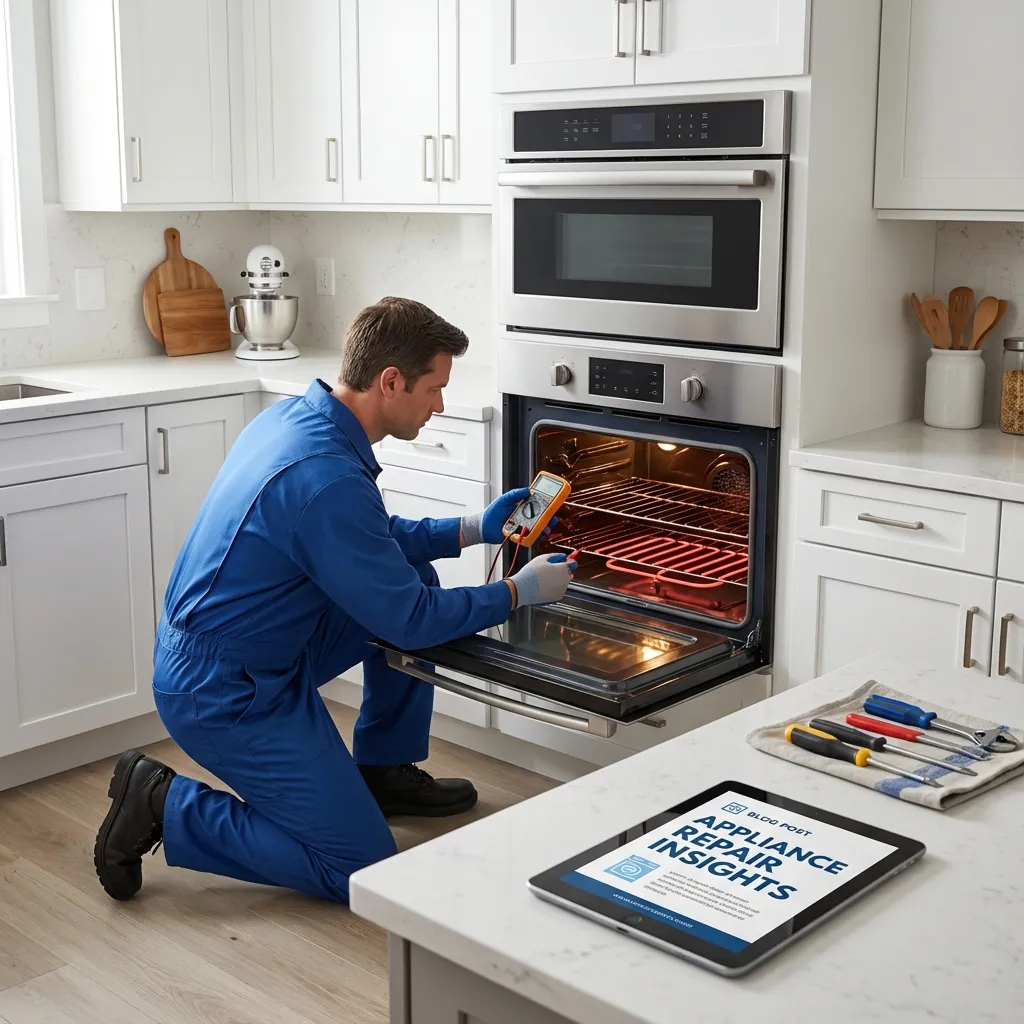
Open and close the microwave door slowly, listening for two distinct clicks. If you only hear one click or no clicks, one of the door switches may be stuck or broken. You can test door switches with a multimeter, but accessing them requires removing the outer cabinet — which should only be done by someone experienced with microwave repair, as the high-voltage capacitor can retain a lethal charge.
Step 3: Check the Ventilation
Inspect the air vents on the microwave — they are usually on the back, sides, or bottom. If the vents are blocked by dust, grease, or the microwave being pushed too close to the wall, the microwave may overheat and blow a thermal fuse. Clean the vents with a vacuum or brush and make sure there is at least 3 inches of clearance on all sides.
Step 4: Listen for Unusual Sounds
A loud buzzing or humming that is louder than normal is a strong indicator of a failed magnetron or high-voltage diode. A clicking or rattling sound can indicate a failing turntable motor (which is separate from the heating issue but should also be addressed).
Step 5: Try the Microwave with a Cup of Water
Place a microwave-safe cup of water in the microwave and run it on high for 1 minute. If the water stays cold, the microwave is not producing heat. If the water is warm but not hot, the magnetron may be weak. This simple test helps you understand whether the problem is a complete failure or a partial one.
Critical Safety Warning
Microwaves contain a high-voltage capacitor that can hold a charge of up to 4,000 volts even after the microwave is unplugged. This charge can be lethal. Do not removing the outer cabinet or attempt internal repairs unless you have been trained to safely discharge the capacitor. If you suspect a magnetron, diode, capacitor, or transformer failure, contact a qualified appliance repair technician.
When to Replace vs. Repair
Microwaves are relatively inexpensive compared to other appliances, which makes the repair-or-replace decision simpler:
- Under $150 microwaves (countertop models): Almost never worth repairing. The cost of a service call and replacement parts exceeds the cost of a new microwave.
- $150 to $300 microwaves: Worth repairing if the problem is a door switch or thermal fuse (parts and labour typically under $150). Not worth repairing for magnetron or control board failures.
- Over $300 microwaves (built-in, over-range, and convection models): Usually worth repairing, especially for door switch, thermal fuse, or diode failures. Magnetron replacement typically costs $150 to $250 and may be worth it on a high-end model.
When to Call a Professional
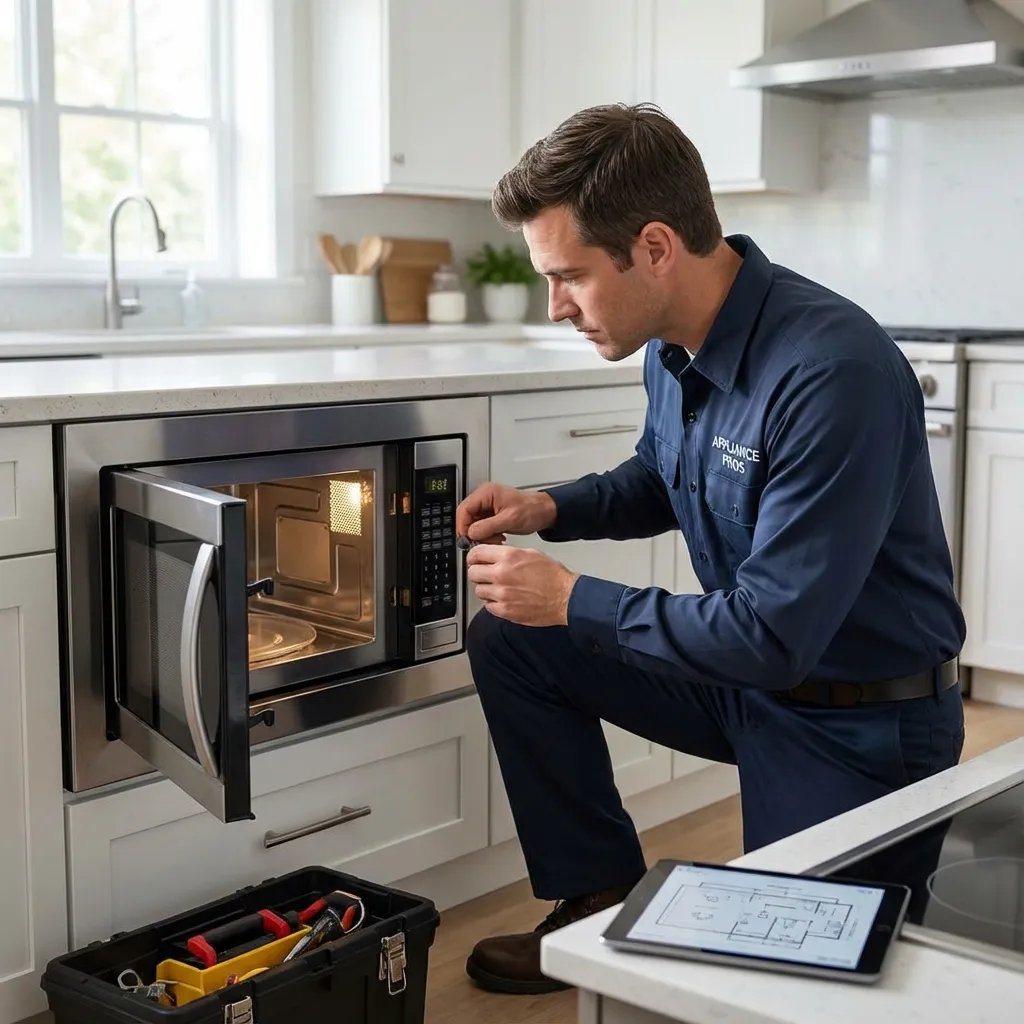
Any microwave repair that requires accessing the high-voltage components — magnetron, diode, capacitor, or transformer — should be performed by a qualified technician. The high-voltage capacitor retains a lethal charge even after the microwave is unplugged and must be properly discharged before any internal work.
Appliance Service Plus provides microwave repair for Toronto, Etobicoke, Scarborough, and the GTA. Their technicians are trained in safe microwave repair procedures and carry common replacement parts.
Frequently Asked Questions
Why does my microwave run but not heat?
The most common cause is a failed magnetron, which is the component that generates the microwaves. Other causes include a blown high-voltage diode, a defective door switch, or a blown thermal fuse. All of these require professional diagnosis because the high-voltage capacitor inside a microwave can retain a dangerous charge.
Can I fix a microwave that is not heating myself?
You can safely check the door switches by listening for clicks when you open and close the door, and you can check the ventilation and try the cup-of-water test. Any repair that involves opening the microwave cabinet should be done by a qualified technician due to the risk of high-voltage shock from the capacitor.
How much does it cost to repair a microwave in Toronto?
Common microwave repairs in the Toronto area range from $100 to $250. Door switch replacements cost $100 to $150. Thermal fuse replacements cost $100 to $150. Magnetron replacements cost $150 to $250. For countertop microwaves under $150, replacement is usually more cost-effective than repair.
Is it safe to use a microwave that sometimes does not heat?
No. A microwave that intermittently heats is experiencing a component failure that will get worse. Continuing to use it can cause further damage, and in the case of a door switch failure, the microwave could potentially operate with the door open, which is a serious safety hazard. Discontinue use and have it diagnosed.
Need Professional Help?
If the problem persists or seems too complex to handle on your own, our expert technicians are ready to help. Fast, reliable service when you need it.