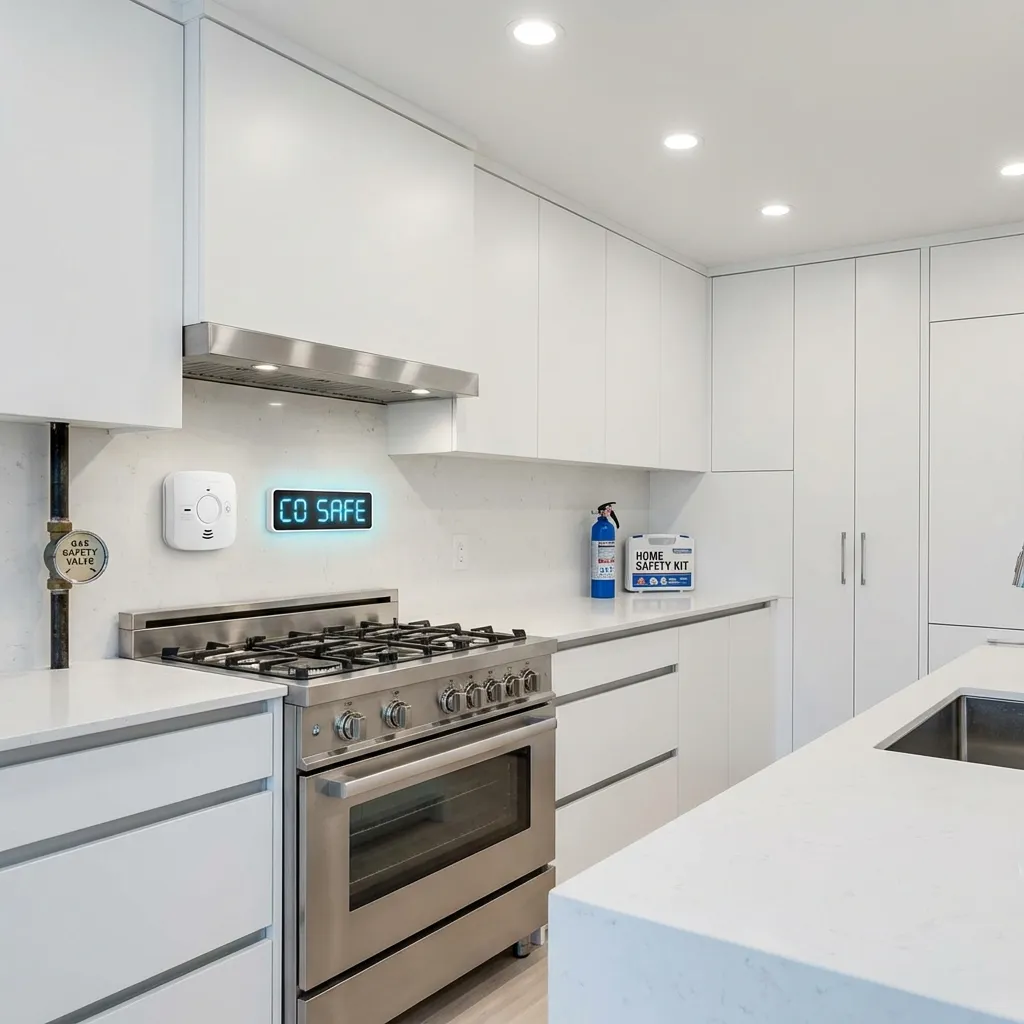
Gas appliances — stoves, dryers, furnaces, and water heaters — are common in Toronto homes, and they are safe when properly maintained. But gas is a powerful energy source that demands respect. A gas leak, a blocked vent, or a failed appliance can create life-threatening risks including fire, explosion, and carbon monoxide poisoning.
This guide covers the essential gas appliance safety knowledge every Toronto homeowner needs, including how to detect a gas leak, how to prevent carbon monoxide exposure, and what to do in an emergency.
Quick Answer: If you smell gas in your home, do not use electrical switches, phones, or open flames. Leave the building immediately and call Enbridge Gas at 1-866-763-5426 or 911 from a neighbour's phone. Install carbon monoxide detectors on every floor and outside every sleeping area. Have your gas appliances professionally inspected annually.
How to Detect a Gas Leak
Natural gas is odourless by itself, but Enbridge Gas (which serves most of Toronto) adds mercaptan, a chemical that gives gas its distinctive rotten egg smell. This is your primary warning system.
Signs of a Gas Leak
- The smell of rotten eggs — the most obvious sign. Even a faint odour warrants investigation.
- A hissing or whistling sound near a gas appliance, pipe, or connection
- Dead or dying vegetation near an outdoor gas line
- Bubbles in standing water near a gas line
- A flame that burns yellow or orange instead of blue — this indicates incomplete combustion, which produces carbon monoxide
- Physical symptoms — headaches, dizziness, nausea, or fatigue that improve when you leave the house and return when you come back
What to Do If You Smell Gas
- Do not use any electrical switches, including light switches, appliances, or garage door openers. A spark can ignite gas.
- Do not use your phone inside the house. A phone can create a spark.
- Do not light matches, candles, or cigarettes.
- Leave the building immediately. Open windows on your way out if you can do so quickly.
- Call Enbridge Gas Emergency Line at 1-866-763-5426 or call 911 from outside the building.
- Do not re-enter the building until the gas company or fire department confirms it is safe.
Carbon Monoxide: The Silent Killer
Carbon monoxide (CO) is a colourless, odourless, tasteless gas produced when gas appliances do not burn fuel completely. It is responsible for dozens of deaths and hundreds of hospitalizations in Ontario every year.
Symptoms of Carbon Monoxide Poisoning
CO poisoning symptoms are often mistaken for the flu:
- Mild exposure: Headache, fatigue, shortness of breath, nausea
- Moderate exposure: Throbbing headache, dizziness, confusion, vomiting
- Severe exposure: Loss of consciousness, seizures, cardiac arrest, death
The key difference from the flu: CO symptoms improve when you leave the house and return when you come back. If everyone in the household is experiencing similar symptoms at the same time, suspect CO.
Carbon Monoxide Detectors
Ontario law requires CO detectors in every home with a fuel-burning appliance, fireplace, or attached garage. Detectors must be installed on every floor and outside every sleeping area.
Maintenance tips:
- Test your CO detectors monthly by pressing the test button
- Replace the batteries when you change your clocks for daylight saving time
- Replace the entire detector every 5 to 7 years (check the manufacturer's date)
- Never paint a CO detector — paint can block the sensor
- If your CO detector sounds, leave the building immediately and call 911
What Causes CO from Gas Appliances
Any gas appliance that is not burning fuel completely can produce CO. The most common causes are:
- Blocked or damaged vents — exhaust from gas dryers, furnaces, and water heaters must vent to the outside. A blocked vent forces CO back into the home.
- Cracked heat exchangers — in furnaces, a cracked heat exchanger allows combustion gases to mix with the air that circulates through your home
- Improper installation — gas appliances must be installed to code with correct venting, clearances, and gas supply
- Lack of maintenance — dirty burners, clogged ports, and worn components reduce combustion efficiency and increase CO production
Gas Stove Safety
Gas stoves are the most common gas appliance in Toronto homes. To use them safely:
Keep Burners Clean
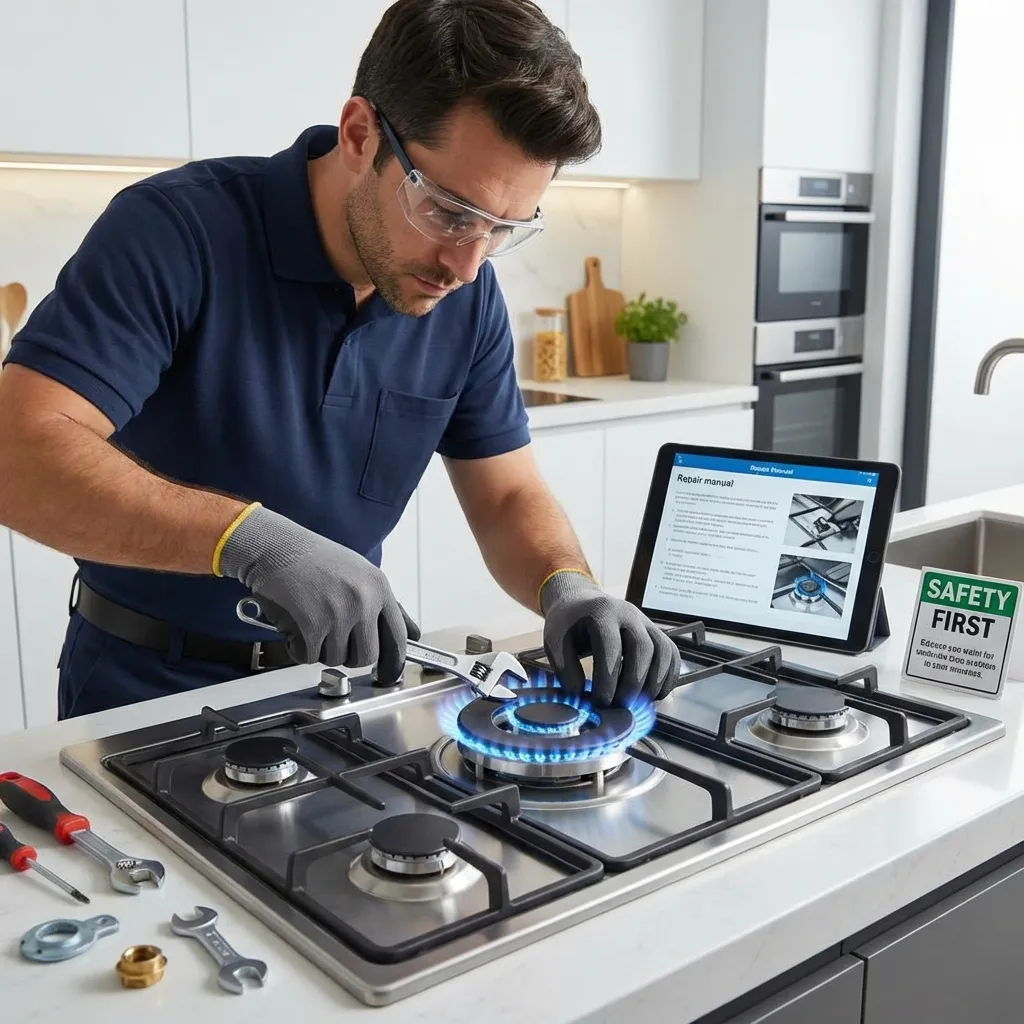
Clogged burner ports produce yellow flames and incomplete combustion, which increases CO production. Clean the burner ports regularly with a straight pin. A healthy gas flame is blue with a small blue inner cone. If the flame is yellow or orange, the burner needs cleaning or adjustment.
Never Use a Gas Stove for Heating
Using a gas stove to heat your home is extremely dangerous. It produces CO and other combustion products that build up rapidly in an enclosed space. It is also a fire hazard and violates Toronto fire code.
Use the Exhaust Fan
Always run the range hood exhaust fan when cooking with gas. This removes combustion products, moisture, and cooking odours from the kitchen. Make sure the fan vents to the outside, not just recirculates the air.
Check for Gas Leaks at Connections
Periodically check the gas connection behind the stove. If you can smell gas near the connection, apply a soapy water solution to the fitting — bubbles indicate a leak. Tighten the connection or replace the flexible gas line if needed.
Gas Dryer Safety
Gas dryers produce combustion gases that must be vented to the outside. A blocked or damaged exhaust vent is a serious fire and CO hazard.
Clean the Exhaust Vent Annually
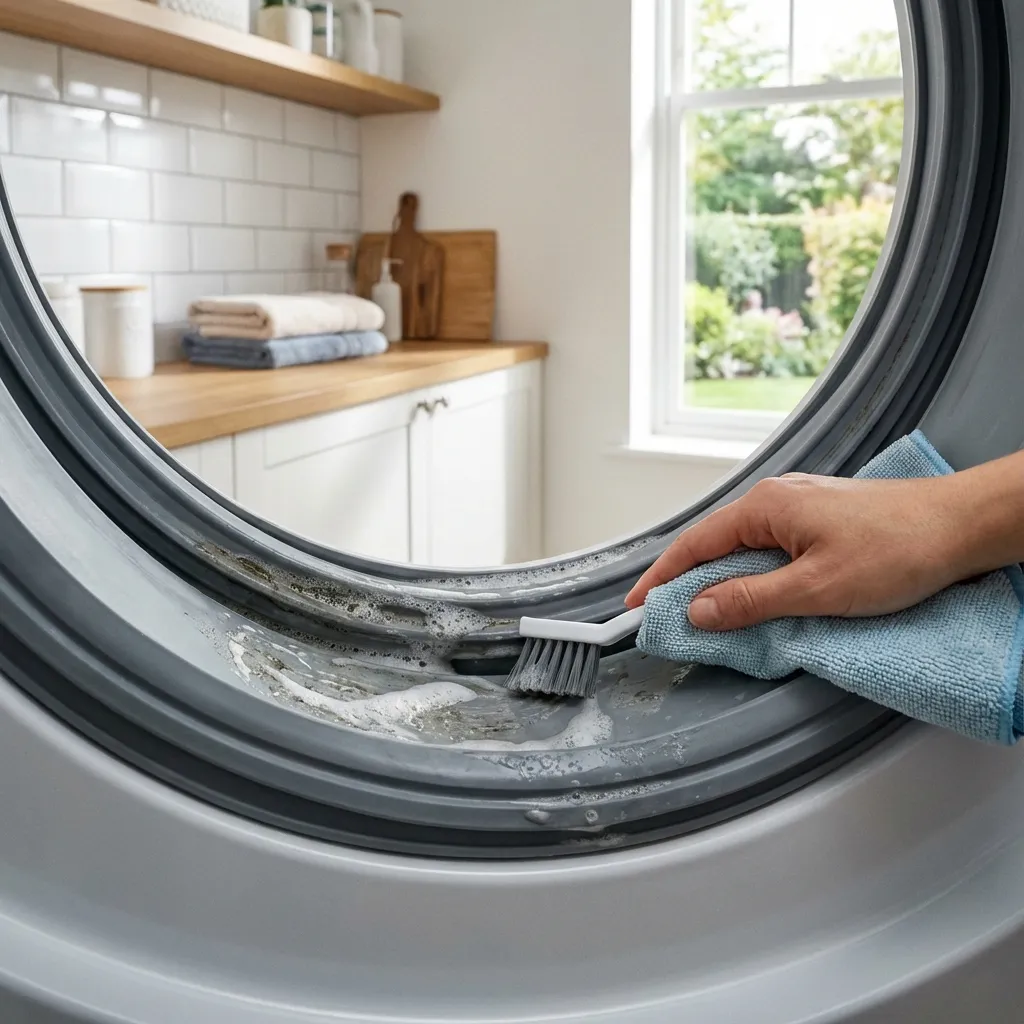
Disconnect the dryer from the wall and clean the full length of the exhaust vent using a dryer vent brush or a shop vacuum. Check the exterior cap for debris and ensure it opens freely. A blocked vent causes the dryer to overheat, which can ignite lint and start a fire.
Use Rigid or Semi-Rigid Metal Ducting
Never use plastic or foil vent tubing — it can melt or collapse and trap lint. Use rigid aluminum or semi-rigid aluminum ducting. Keep the vent run as short and straight as possible, with no more than two 90-degree bends.
Check the Gas Connection
Periodically inspect the gas supply line behind the dryer for cracks, corrosion, or loose connections. If you smell gas near the dryer, do not use it until the connection has been checked by a professional.
Annual Gas Appliance Inspection
Have all gas appliances professionally inspected once a year, ideally before the heating season begins. A qualified technician will:
- Check gas connections for leaks
- Inspect venting for blockages and proper installation
- Test combustion efficiency and CO production
- Clean burners and adjust flame height
- Verify that safety controls are functioning correctly
In Ontario, a Tic (Technical Standards and Safety Authority) registered technician must perform gas appliance inspections and repairs.
Gas Appliance Maintenance Checklist
- Monthly: Test CO detectors, visually check gas appliance flames (should be blue), run the range hood fan when cooking
- Quarterly: Clean gas stove burner ports, check dryer exhaust for lint, inspect gas connections for corrosion
- Annually: Schedule a professional gas appliance inspection, clean the dryer exhaust vent, replace CO detector batteries
Frequently Asked Questions
Who do I call if I smell gas in my home in Toronto?
Call the Enbridge Gas Emergency Line at 1-866-763-5426 or call 911. Both lines are available 24 hours a day, 7 days a week. Do not use your phone inside the house if you smell gas — leave the building first.
Are carbon monoxide detectors required by law in Toronto?
Yes. Ontario law requires CO detectors in every home with a fuel-burning appliance, fireplace, or attached garage. Detectors must be installed on every floor and outside every sleeping area. Landlords are responsible for installing and maintaining CO detectors in rental properties.
How can I tell if my gas stove is producing carbon monoxide?
A gas stove that is operating correctly produces very little CO. If the flame is blue with a well-defined inner cone, the stove is burning efficiently. If the flame is yellow, orange, or flickering, the burner is not mixing gas and air properly, which increases CO production. Clean the burner ports and have the stove professionally adjusted if the flame does not turn blue after cleaning.
How often should I have my gas appliances inspected?
Once a year, ideally in the fall before the heating season begins. An annual inspection by a TSSA-registered technician ensures that your gas appliances are burning efficiently, venting properly, and not producing dangerous levels of CO.
Can I repair a gas appliance myself?
Minor maintenance — cleaning burner ports, replacing a flexible gas hose, changing a dryer exhaust vent — can be done by homeowners who are comfortable with basic tools. However, any repair that involves the gas valve, gas line connections, or the appliance's combustion system should be performed by a TSSA-registered technician. Improper gas repairs can create lethal hazards including gas leaks, fires, and carbon monoxide poisoning.
Need Professional Help?
If the problem persists or seems too complex to handle on your own, our expert technicians are ready to help. Fast, reliable service when you need it.